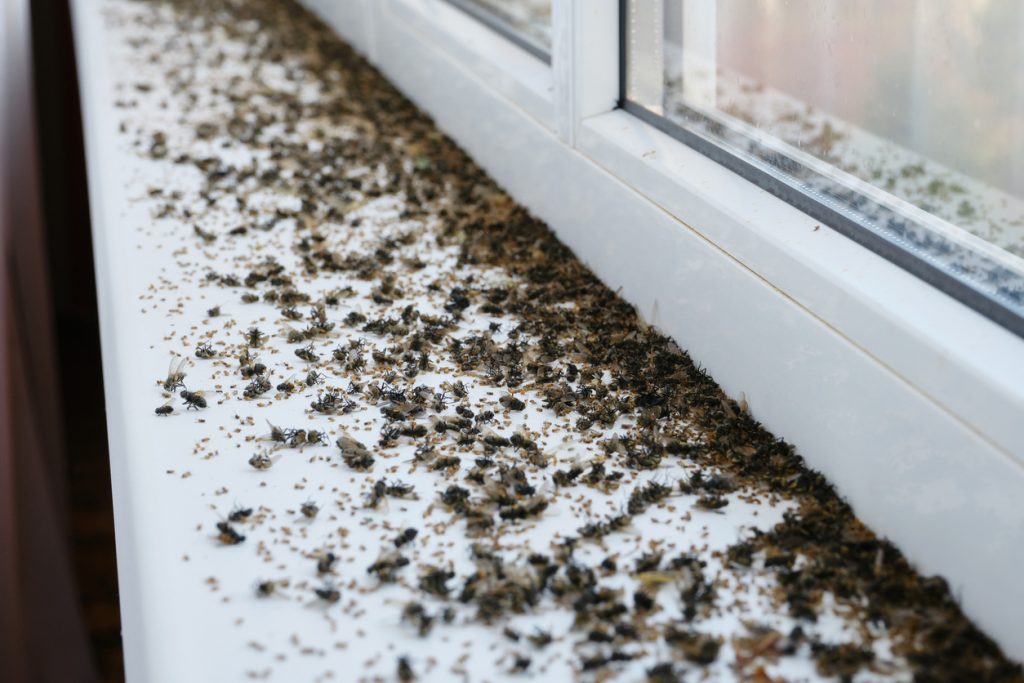
Termites can silently wreak havoc on homes and businesses, and without proper intervention, they cause extensive and costly structural damage. It’s essential to explore effective methods for these pests’ control to protect your property and investments. This guide will delve into the top termite control methods, highlighting practical advice, real-world examples, and pertinent statistics to help determine which method might work best for you.
The Importance of Effective Termite Control
Effective termite control is crucial in maintaining the integrity of your home or business infrastructure. The presence of termites can lead to significant damage, potentially costing billions of dollars in repairs globally each year. In the United States alone, it’s estimated that termite damage results in about $5 billion in damages annually. Thus, exploring effective control measures can save property owners from this financial burden.
Understanding Termites and Their Impact

Types of Termites
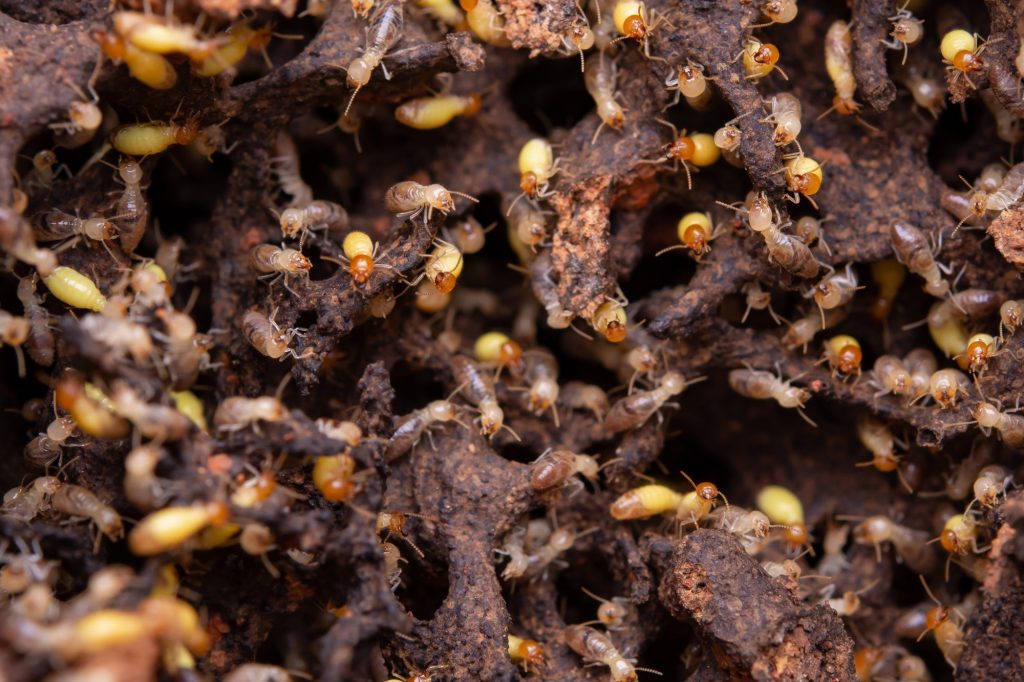
Termites are typically categorized into three main types: subterranean, drywood, and dampwood. Each type has specific habits and preferences:
- Subterranean Termites: They live underground in colonies and are the most destructive, often creating extensive networks.
- Drywood Termites: They prefer drier wood and can infest wooden furniture, walls, and even picture frames.
- Dampwood Termites: As their name suggests, they are usually found in damp or moist wood environments.
How Termites Cause Damage
Termites feed on cellulose found in wood and other plant materials. Over time, this feeding can lead to weakened structures, often undetectable until significant damage has been done. They create hollow spaces within wooden structures, which weaken the integrity and can lead to costly repairs.
Three Primary Termite Control Methods
1. Liquid Termiticides
Liquid termiticides are a common choice for termite control. These chemical treatments are applied directly to the surrounding soil, creating a barrier that termites cannot cross.
How It Works
When applied, these chemicals penetrate the earth and form a protective zone around the foundation. This barrier repels or kills termites that attempt to pass through.
Pros and Cons
- Pros: Liquid termiticides provide immediate results and are effective for several years after application. They are ideal for existing buildings needing a quick response to an ongoing infestation.
- Cons: Chemical treatments may require periodic reapplication and can pose environmental concerns.
2. Baiting Systems
Baiting systems offer an alternative to liquid treatments and have become increasingly popular.
How It Works
Baits are installed around the property. Termites forage and consume the bait, taking it back to their colonies. Over time, the entire colony is affected and subsequently eradicated.
Pros and Cons
- Pros: Baiting is less invasive and more environmentally friendly. It specifically targets termites without affecting other wildlife.
- Cons: Baiting systems may take longer to achieve control and require regular monitoring and maintenance.
3. Heat Treatment
Heat treatment is a chemical-free option that provides an eco-friendly solution to termite infestations, suitable for both drywood and dampwood termites.
How It Works
This method involves raising the temperature within an infested area to levels that are lethal to termites. Special heating equipment increases the temperature, ensuring it penetrates deep into infested wood.
Pros and Cons
- Pros: Non-toxic and chemical-free, heat treatment is ideal for those concerned about environmental impact or household chemical exposure.
- Cons: Not suitable for subterranean termites and may require preparation and logistical considerations, such as removing heat-sensitive items
Choosing the Best Method for Pest Control
Every infestation is unique, requiring tailored approaches to pest control. Key factors to consider when choosing a termite control method include:
- Type of Termite: Identifying the type of termite is crucial since not all methods work equally well for every termite species.
- Degree of Infestation: Severe infestations might require the immediate action that chemical treatments provide.
- Environmental Impact: For eco-conscious homeowners, baiting systems or heat treatments may be preferable.
- Budget: Cost-effectiveness is a significant concern, especially for large-scale applications.
Proactive Tips for Termite Prevention
Even after choosing a suitable termite control method, preventative measures ensure lasting protection:
- Regular Inspections: Conducting regular professional inspections can catch early signs of termite activity.
- Reduce Moisture: Repair leaks promptly and maintain proper ventilation to reduce moisture levels.
- Seal Entry Points: Caulk and seal cracks in foundations and walls to prevent entry.
- Manage Landscaping: Keep woodpiles and vegetation away from the building perimeter.
Conclusion
Termite control necessitates a comprehensive understanding of the pests and careful selection of treatment methods. Whether opting for liquid termiticides, baiting systems, or heat treatments, it’s essential to consider the unique circumstances of your property. Employing proactive preventative measures further ensures the longevity and health of your home or business. By staying informed and acting decisively, you can safeguard against termites and maintain the value and integrity of your property.