In today’s bustling business world, maintaining a clean, safe, and welcoming environment is crucial for success. One significant aspect of this responsibility involves managing and preventing pest infestations. Pest control, especially in a commercial setting, plays a vital role in safeguarding both property and reputation. In this article, we’ll delve into what commercial pest control entails, its importance, and practical tips to maintain a pest-free workplace.
Understanding Commercial Pest Control
What is Commercial Pest Control?
Commercial pest control is a professional service aimed at preventing and managing pest infestations in business environments. It involves various strategies and techniques to eliminate or mitigate the impact of pests such as rodents, insects, birds, and other animals that might harm businesses and their operations. Unlike residential pest control, commercial pest control requires addressing larger spaces and a higher volume of pest activity with tailored solutions.
Types of Pests in Commercial Settings
Businesses are prone to a wide range of pests, each posing unique challenges:
- Rodents: Rats and mice are notorious for causing structural damage and spreading diseases.
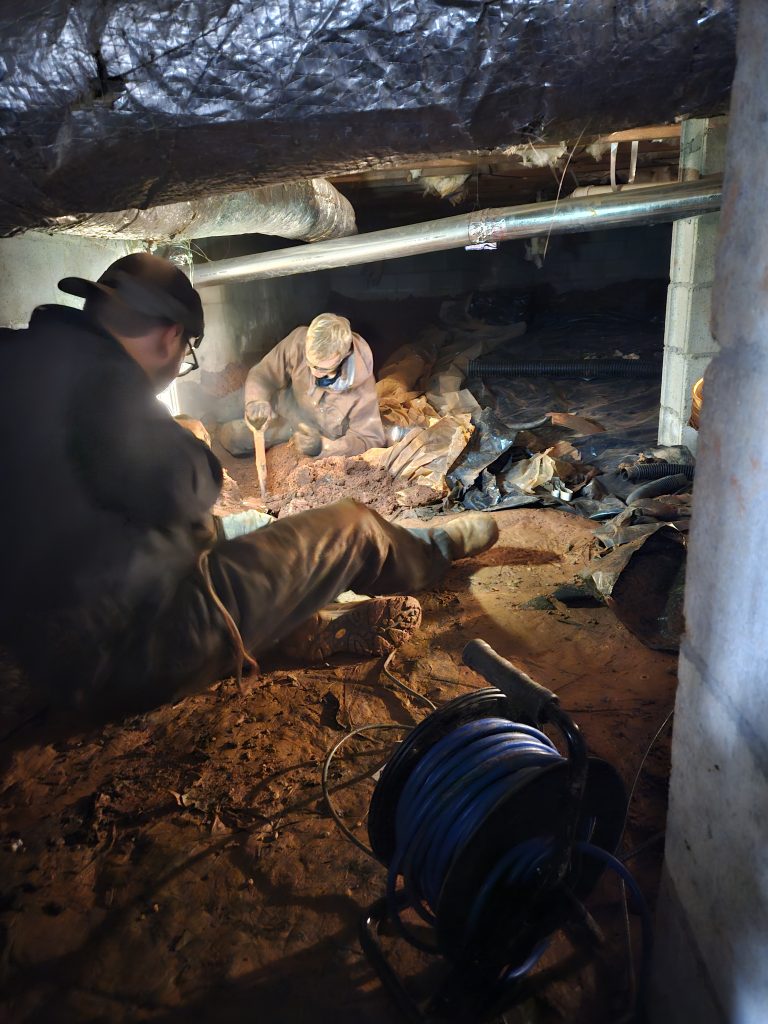
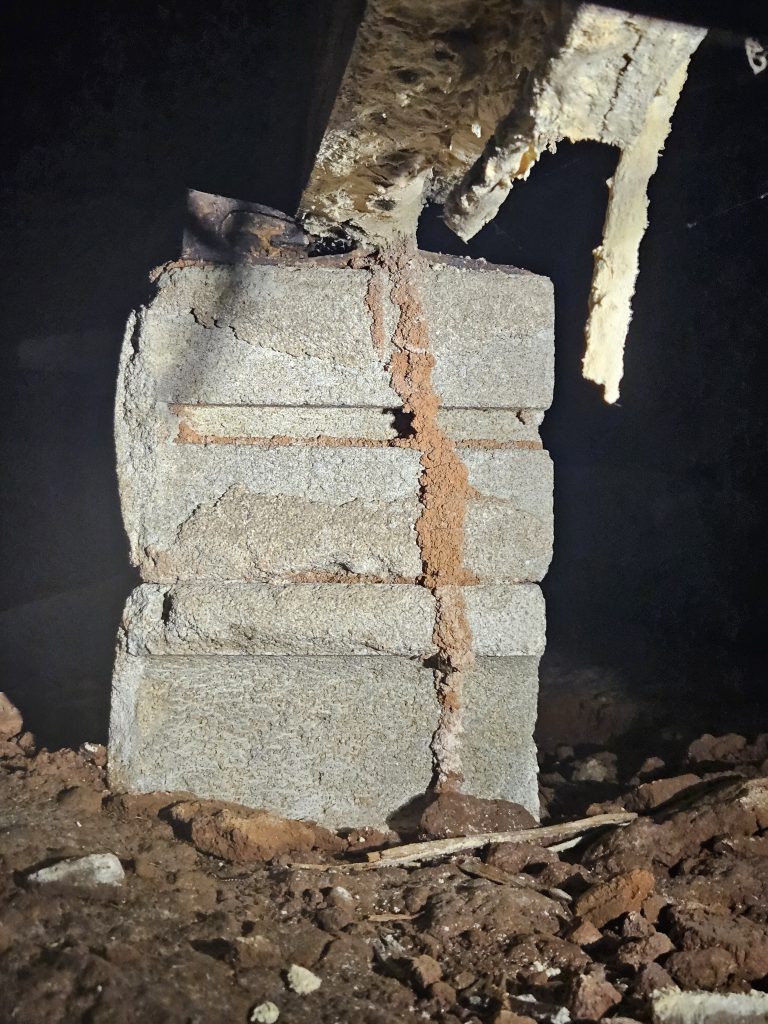
- Insects: Cockroaches, ants, spiders, and termites can infest and contaminate spaces rapidly.
- Birds: Pigeons and seagulls can damage property and create unsightly messes.
Each pest type requires specific control strategies, making commercial pest control a task that cannot rely on a one-size-fits-all approach.
The Importance of Commercial Pest Control
Protecting Health and Safety
Pests can jeopardize the health and safety of employees and customers. Rodents, for example, are known carriers of diseases such as Salmonella and Hantavirus. Insects like cockroaches can trigger allergies and asthma. Implementing effective pest control ensures the safety of everyone on the premises.
Preserving Reputation and Customer Trust
A pest sighting can severely damage a business’s reputation. Customers want assurance that they’re visiting a clean and safe environment. Effective pest control strategies help maintain customer trust and avoid negative publicity.
Avoiding Financial Losses
Infestations can lead to significant repair costs and potential fines for non-compliance with health regulations. By investing in commercial pest control, businesses can avoid the high costs associated with pest damage and health violations.
Key Components of Effective Commercial Pest Control
Integrated Pest Management (IPM)
Integrated Pest Management (IPM) is a holistic approach to pest control. It combines various methods and practices to manage pests economically and with minimal impact on the environment. The core components of IPM include:
- Inspection: Monitoring and identifying pest activity.
- Prevention: Addressing potential entry points and habitat preferences.
- Control: Using chemical, biological, and mechanical methods to manage infestations.
Customized Treatment Plans
Every business is unique, and so are its pest control needs. A tailored pest control program considers factors such as the size of the facility, the nature of the business, and specific pest threats.
Regular Monitoring and Maintenance
Ongoing monitoring and maintenance are vital for effective pest control. Regular inspections help identify early signs of pest activity and ensure that applied treatments remain effective.
Practical Tips for Businesses
Implement Good Sanitation Practices
Maintaining cleanliness is a crucial part of pest prevention. Regular cleaning schedules and proper waste management practices can deter pests from setting up shop.
Seal Entry Points
Conduct regular inspections to identify and seal potential entry points for pests. Cracks, holes, and gaps in doors and windows can be easy access points for unwanted guests.
Educate Employees
Train employees on the importance of pest control and encourage them to report any sightings promptly. Awareness and cooperation among staff can greatly enhance pest management efforts.
Choosing the Right Commercial Pest Control Service
Research and Reviews
When selecting a pest control provider, look for established companies with positive reviews and a strong track record. Word-of-mouth recommendations and online reviews can provide valuable insights.
Certifications and Experience
Choose a service with certified professionals and relevant experience in handling commercial pest control. Properly trained technicians can offer more effective and safe solutions.
Customized Solutions
A reputable pest control provider will offer customized solutions that align with specific business needs and regulatory requirements. Opt for services that prioritize understanding the unique aspects of your commercial space.
Conclusion
Commercial pest control is essential for protecting businesses, employees, and customers from the adverse effects of pest infestations. By understanding the importance and implementing effective control measures, businesses can maintain a clean, safe, and welcoming environment. Remember, the key lies in proactive measures, regular assessments, and working with experienced professionals. Investing in a robust pest management strategy not only safeguards your business but also preserves its reputation and profitability.