
Is it Worth it to Encapsulate a Crawl Space?
Welcome to the world of crawl spaces! These often-overlooked areas under your home can have a significant impact on both your comfort and energy efficiency. Crawl space encapsulation is a popular solution to address the issues that can arise in these hidden parts of your house. But is it worth the investment? Let’s delve into the details to help you make an informed decision.
What is Crawl Space Encapsulation?
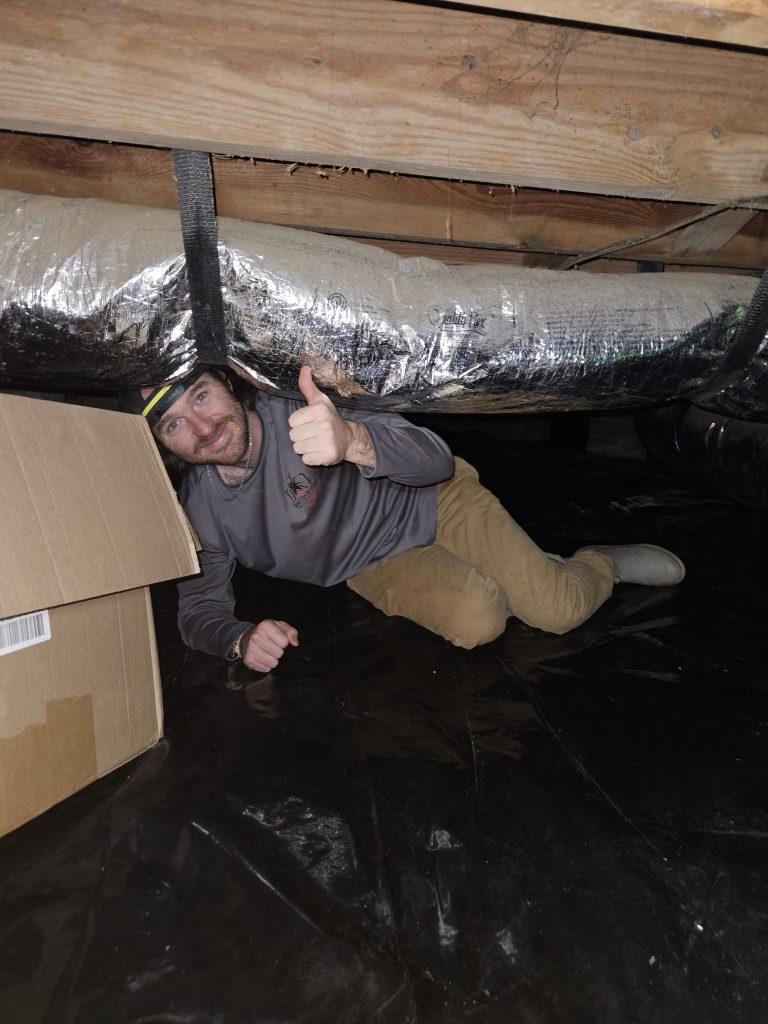
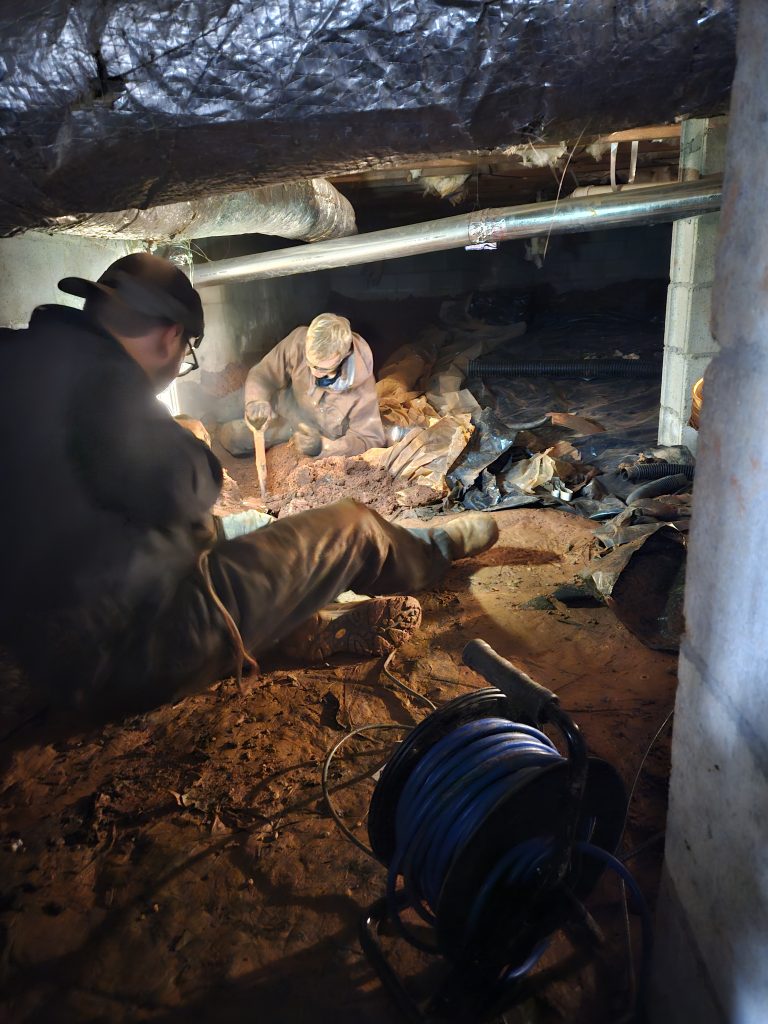
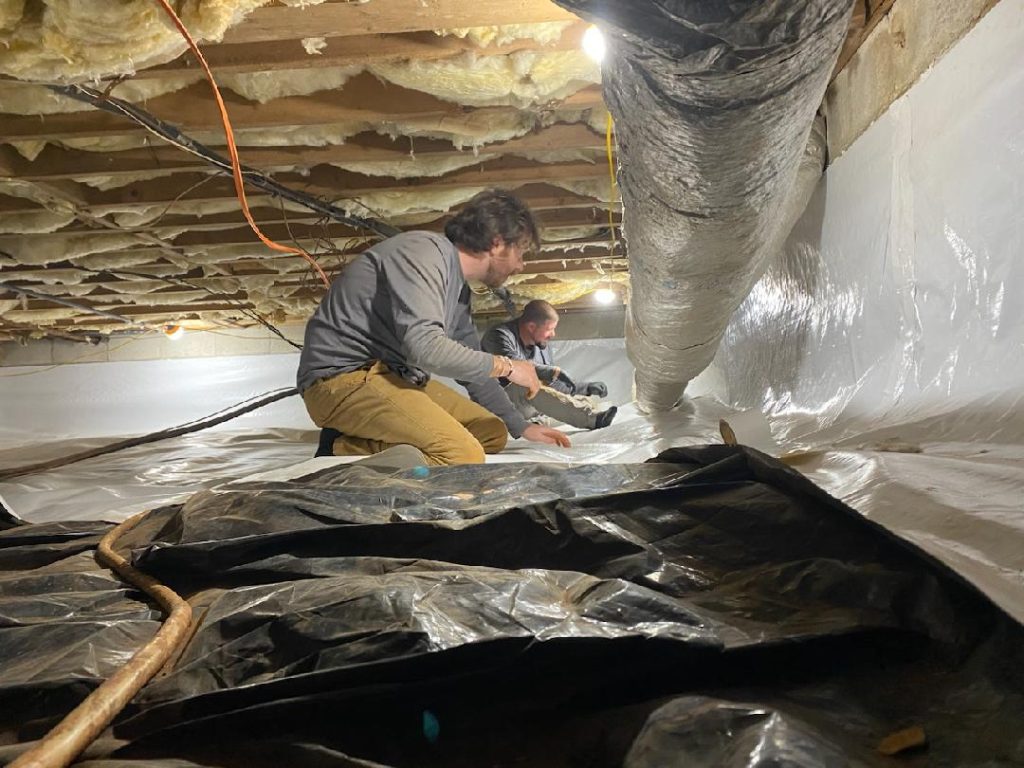
Before we can determine if crawl space encapsulation is worth it, it’s crucial to understand what it involves. Crawl space encapsulation is a process that seals your crawl space from moisture and outside air. It typically involves lining the walls and floors with a heavy-duty polyethylene vapor barrier, sealing vents, and in some cases, installing a dehumidifier.
The Purpose of Encapsulation
The primary purpose of crawl space encapsulation is to create a clean, dry environment under your home. This preventive measure helps in significantly reducing moisture levels, minimizing the risk of mold growth, improving air quality, and deterring pests that thrive in damp environments.
Benefits of Crawl Space Encapsulation
Crawl space encapsulation offers several benefits that can make it a worthwhile investment for many homeowners.
Improved Air Quality
One of the most significant advantages of crawl space encapsulation is improved indoor air quality. Around 50% of the air in your home can originate from the crawl space. Sealing off this space prevents allergens and toxic mold spores from circulating through your living areas, creating a healthier environment for you and your family.
Enhanced Energy Efficiency
Encapsulation can lead to substantial energy savings. By sealing air leaks and reducing humidity levels, your HVAC system operates more efficiently. The U.S. Department of Energy estimates that homeowners can save up to 15% on heating and cooling costs with proper crawl space encapsulation.
Pest Prevention
A sealed crawl space creates an inhospitable environment for pests, including rodents, termites, and various insects. By cutting off their access and reducing the moisture they need to survive, you protect your home from potential infestations and the damage they cause.
Structural Integrity
Excess moisture can wreak havoc on the wooden structures of your home. Over time, this can lead to wood rot and compromise the integrity of your foundation. Encapsulation helps maintain the structural soundness of your home, potentially saving thousands on costly repairs.
Cost Considerations
The cost of crawl space encapsulation can vary significantly depending on the size of your crawl space, the extent of sealing required, and your location.
Average Costs and Factors
On average, homeowners can expect to pay between $5,000 and $15,000 for professional encapsulation. Factors that influence cost include the size of the crawl space, the thickness of the vapor barrier, and labor rates in your area. Although the upfront cost is substantial, the long-term savings on energy bills and potential repairs can outweigh these initial expenses.
Return on Investment (ROI)
Investing in crawl space encapsulation can offer a return on investment within a few years. The combination of increased energy efficiency and reduced repair costs can provide homeowners with savings that justify the initial expenditure.
Practical Tips for Crawl Space Encapsulation
If you’re considering encapsulating your crawl space, it’s essential to approach the process strategically.
Professional Assessment
Start by having a professional inspection. A specialist can assess the current condition of your crawl space and recommend the extent of encapsulation needed, ensuring you get the best results.
DIY Considerations
While hiring a professional is recommended, some homeowners opt for a DIY approach. If you’re handy and choose this route, make sure you research thoroughly and use high-quality materials. However, be mindful that mistakes can be costly to fix.
Regular Maintenance
After encapsulation, regular maintenance is crucial. Periodically check for any damage to the vapor barrier and ensure the dehumidifier, if installed, is in good working order. This upkeep helps preserve the benefits of encapsulation for years to come.
Risks and Challenges
Despite the many advantages, there are potential challenges associated with crawl space encapsulation.
Initial Investment
As mentioned earlier, the upfront cost can be a barrier for some homeowners. Ensuring that the long-term benefits align with your budget is vital before proceeding.
Quality of Installation
The effectiveness of encapsulation largely depends on the quality of the installation. Poor installation may lead to leaks, continued dampness, and inadequate pest control. This risk further emphasizes the need for professional help when possible.
Conclusion
Crawl space encapsulation offers numerous benefits, from improved air quality and energy efficiency to pest prevention and enhanced structural integrity. While the upfront cost may seem daunting, the long-term savings, increased home value, and improved living conditions provide compelling reasons to consider this investment. Consulting with a professional can help tailor the encapsulation to your home’s specific needs, ensuring optimal results. By weighing the benefits and costs, you can decide if encapsulating your crawl space is the right move for your home.