In today’s common concerns, ensuring the safety of a workplace or business from unwanted pests is critical. Pests not only pose health risks but also jeopardize the reputation and operations of a business. As a result, many business owners turn to professionals for commercial pest control solutions. But one might wonder: Is commercial pest control safe? Let’s delve into this question by exploring the methods, safety measures, and practices within the industry.
Importance of Pest Control in Commercial Settings
Pest control plays an integral role in maintaining sanitary conditions in commercial establishments. Businesses in the food industry, such as restaurants and grocery stores, face strict regulations that require effective pest management to prevent contamination and ensure consumer safety. Even offices and retail stores need to maintain pest-free environments to protect their products and maintain high standards of employee and customer satisfaction. The National Pest Management Association reports that pests cause approximately $6 billion in damages per year, underscoring the importance of proactive pest management.
Methods of Commercial Pest Control
Understanding the methods used in commercial pest control can provide clarity on their safety measures and efficiency. Service providers often use a combination of methods to achieve optimal results.
Chemical Treatments
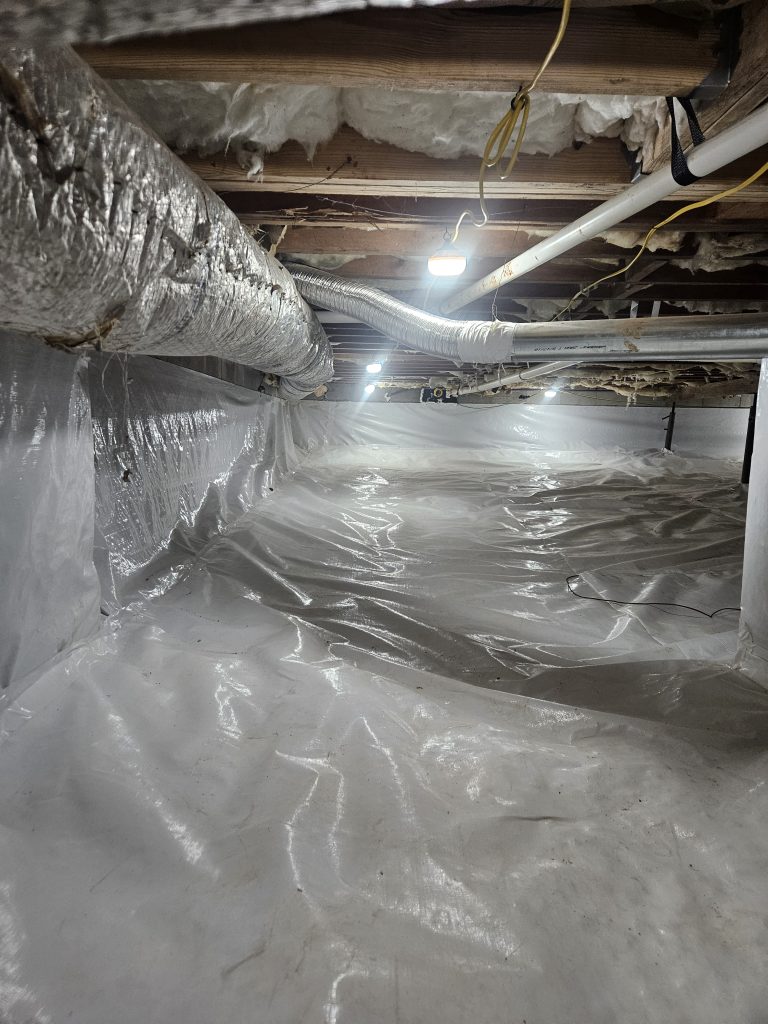
Commercial pest control commonly employs chemical treatments, which are effective but raise safety questions. Modern pest control companies focus on using eco-friendly and low-toxicity pesticides to minimize any harmful effects on humans and pets. These substances are thoroughly tested and approved by regulatory bodies like the Environmental Protection Agency (EPA).
Physical and Mechanical Methods
Some service providers use traps, barriers, and other mechanical devices to manage pest populations. These methods target specific pests, reducing the risk of exposing non-targeted species and humans to hazardous chemicals. Glue traps for rodents or barriers for insects are examples of non-chemical interventions.
Biological Control
This method leverages the natural predators of pests to keep their population in check. Introducing beneficial insects or microorganisms can provide a sustainable pest control solution. This method significantly reduces the reliance on chemical treatments, enhancing environmental safety.
Integrated Pest Management (IPM)
IPM combines various pest control tactics for long-term management. It emphasizes understanding pest life cycles and using a combination of biological, mechanical, and chemical approaches when necessary. By focusing on prevention and minimal use of pesticides, IPM proves to be an effective and safe approach for commercial pest control.
Safety Protocols and Regulations
To ensure safety, commercial pest control companies must adhere to multiple safety protocols and industry regulations.
Regulatory Compliance
Commercial pest control companies are regulated by governmental agencies to guarantee safety standards. These regulations mandate the use of approved pesticides, application methods, and equipment handling. Companies must also adhere to industry-specific requirements tailored to the workplaces they service.
Training and Certification
Pest control technicians undergo rigorous training programs to ensure they are knowledgeable about safe pesticide handling and application. Certifications demonstrate a technician’s proficiency and commitment to safety and effectiveness.
Use of Safety Equipment
Technicians are equipped with personal protective equipment (PPE), including gloves, masks, and protective suits, to protect themselves and others from any exposure during chemical application. Proper equipment ensures that chemicals are applied accurately and safely.
Communication with Clients
Effective communication with clients is crucial. Pest control companies should inform clients about the products used, safety measures in place, and any precautions needed post-treatment. Transparency fosters trust and ensures clients can maintain safety standards after servicing.
Real-World Exemplars of Effective Commercial Pest Control
Examples from various industries highlight the safe application and effectiveness of commercial pest management.
Restaurants and Food Services
A busy restaurant chain effectively manages pests by implementing IPM techniques, including regular site inspections and sealing potential entry points, minimizing the need for chemical interventions during working hours.
Warehouses and Distribution Centers
A large distribution center employs a combination of mechanical traps and regular surveillance to avoid rodent infestations. These non-chemical methods prioritize the safety of stored goods and personnel.
Hotels and Hospitality
For bed bug issues, a hotel chain utilizes heat treatments combined with targeted pesticide applications, ensuring guest safety and comfort without prolonged chemical exposure.
Actionable Tips for Choosing a Safe Pest Control Service
Choosing the right commercial pest control service is crucial to ensuring safety and efficacy.
Research and Reviews
Check customer testimonials and reviews online to gauge a company’s reputation. Look for companies with robust safety and environmental practices.
Verify Certifications and Licenses
Ensure the pest control company has certified technicians and the required licenses to operate in your region. This guarantees adherence to health and safety standards.
Seek Eco-Friendly Options
Ask about the company’s commitment to using eco-friendly products and methods. Opting for providers specializing in IPM can offer safer pest control solutions.
Conclusion
While the question “Is commercial pest control safe?” can be concerning, modern practices and stringent safety protocols show that it is indeed safe when executed by certified professionals. The goal is to protect your business premise without compromising the health of its occupants or the environment. Through understanding the methodology, seeking reputable providers, and staying informed on best practices, businesses can maintain a pest-free environment safely and effectively. Embracing comprehensive pest control strategies, such as Integrated Pest Management, offers a sustainable path forward for industries seeking secure, effective, and environmentally conscious pest management solutions.