Ensuring a pest-free home is crucial for maintaining a safe and comfortable living environment. Understanding the frequency of pest control needed for your home can prevent infestations, save on repair costs, and protect your health. Let’s discuss how often you should schedule pest control and explore various factors influencing this decision.
Understanding Pest Control Needs
Pest control is not just about reacting to an infestation—it’s about prevention. Various pests have different life cycles and habits, meaning your approach should be tailored to your specific situation.
Factors Influencing Pest Control Frequency


Seasonal Changes
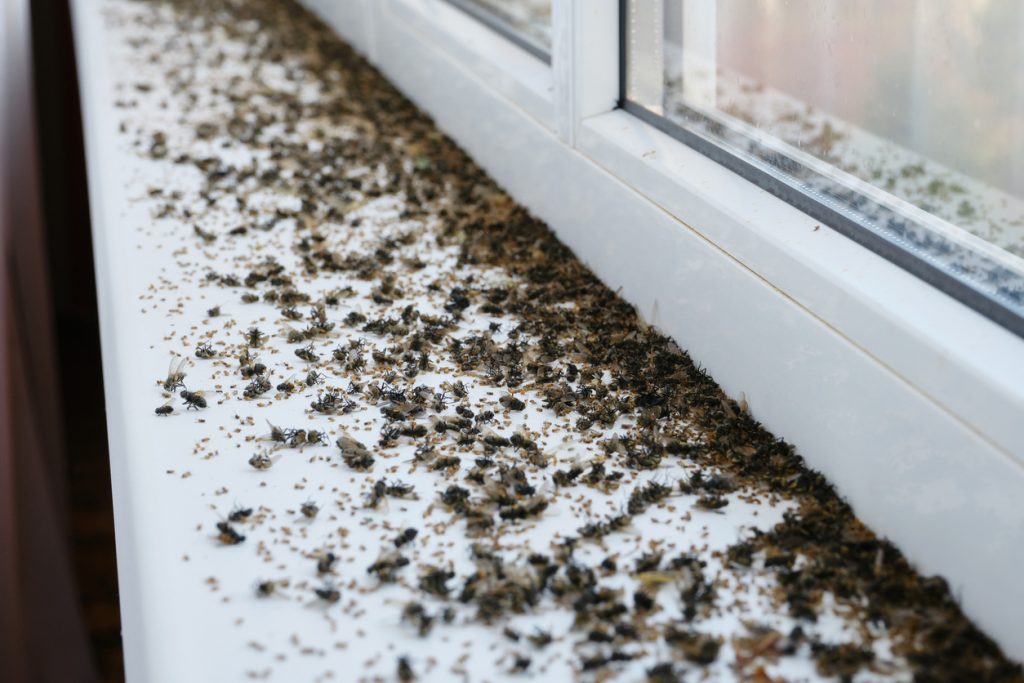
Pests often appear or become active in different seasons. For example, ants and flies tend to invade homes during the spring and summer months. On the other hand, rodents such as mice and rats seek shelter in warm places during the fall and winter. It is therefore advisable to schedule pest control services at the start of each major season.
Location-Specific Considerations
Where you live impacts the pests you’ll face, and Upstate South Carolina is no exception. Our area is prone to pests like termites, ants, mosquitoes, and rodents, especially during the warmer months. With our local knowledge and expertise, we create customized pest control plans that address the unique challenges of our region. By understanding the seasonal patterns and common pests in Upstate South Carolina, we ensure your home stays protected year-round from unwanted invaders.
Type of Home
Different types of homes require different approaches to pest control. Single-family homes may experience different pest problems compared to apartments or condos due to structural differences and external exposure. Larger properties or those with gardens may need more frequent treatment to manage outdoor pests like ticks and mosquitoes.
Recommended Pest Control Frequency
Quarterly Services
Scheduling services every three months is generally effective for most common pests. This routine ensures that any seasonal, weather-induced, or biological changes in pest behavior are addressed proactively. It also disrupts pest life cycles, reducing the chance of an infestation.
Bi-Monthly Treatments
If you live in an area with a high risk of pest invasions or in a home with complicated pest control needs, you might consider bi-monthly pest control services. This is particularly important in regions with persistent issues with pests like termites, which can cause significant structural damage to your home.
When to Opt for Monthly Pest Control
Heavy Infestations
Dealing with a severe infestation may require monthly services to quickly reduce pest populations and manage difficult-to-eradicate species such as bedbugs, fleas, or cockroaches. In such cases, professional pest controllers can implement aggressive treatment plans.
Properties with Special Conditions
- Older Homes: Older homes with deteriorating materials like wood are often more susceptible to termites and other wood-destroying pests. Monthly monitoring and intervention can prevent structural damage.
- Houses in Rural Areas: Homes situated near forests, farms, or bodies of water are at an increased risk for pests like ticks, mosquitoes, and various wildlife. Monthly services can help maintain a barrier between your home and these potential threats.
Benefits of Regular Pest Control
Consistent pest control services provide several advantages beyond simply removing pests. Understanding these benefits highlights the importance of regular pest interventions.

Health Protection
Pests can carry diseases that affect humans and pets. Regular pest control helps mitigate risks associated with pest-borne illnesses like Lyme disease from ticks or salmonella from rodents.
Property Value Maintenance
Infestations such as termites can cause significant damage that diminishes the value of your property. Regular services ensure issues are caught early, preventing costly damage and maintaining property integrity.
Peace of Mind
Knowing that your home is protected against pests provides peace of mind. Regular pest control services alleviate the worry of unanticipated infestations and their associated stressors.
Conclusion
Pest control is an ongoing process tailored to each unique living situation. Understanding the specific pest threats to your home, taking geographic and seasonal factors into account, and considering the condition and type of your property can guide you in determining how often to invest in pest control services.
Regular quarterly treatments are typically sufficient for most homes, but certain situations may require more frequent monitoring. In conjunction with professional services, implementing DIY strategies and maintaining a clean home environment can ensure your pest management plan is comprehensive.
Ultimately, the goal is to preserve your health, protect your home, and ensure comfort and safety. By evaluating your unique needs and seeking professional guidance, you can maintain a pest-free environment year-round.