Termites. The very mention of these tiny pests is enough to give many homeowners sleepless nights. With their ability to silently destroy wooden structures and cause significant damage, it is no wonder homeowners often seek ways to protect themselves financially. A common question that arises is whether homeowners insurance covers termite damage. In this blog post, we will delve into this crucial topic, discussing the nature of termites, the coverage options available, and providing practical advice for homeowners navigating this potential headache.
Understanding Termites and Their Damage
Termites are more than just a nuisance. These wood-eating insects can cause extensive damage to your home’s structure. They are often referred to as “silent destroyers” because they can feed on wood, flooring, and even wallpaper unnoticed. There are over 2,000 species of termites, but the most common types in the United States are subterranean, drywood, and dampwood termites.
The Impact of Termite Damage
Termite infestations can go undetected for years, causing damage that can cost thousands of dollars to repair. According to the National Pest Management Association, termites cause more than $5 billion in property damage annually. Unfortunately, termites are relentless. A small colony can consume a foot of a 2×4 piece of pine in less than five months. The longer an infestation goes undetected, the greater the damage and cost of repairs.
Does Homeowners Insurance Cover Termite Damage?
The straightforward answer is usually no. Homeowners insurance typically does not cover termite damage. Most insurance policies view termite infestations as a preventable problem. Since policyholders can take steps to avoid termites, such as regular inspections and maintenance, insurers classify termite damage as a maintenance issue, rather than a covered peril like fire or storm damage.
Why Termite Damage Isn’t Covered
Insurance is designed to protect against sudden and accidental damage, and unfortunately, termite damage is seen as preventable. It’s considered the homeowner’s responsibility to maintain their home and protect it from such infestations. Insurance companies argue that damage from termites is gradual and could have been avoided with proper maintenance and preventative measures.
Exceptions and Possible Coverage
While standard homeowners insurance policies exclude termite damage, there are scenarios where it might provide coverage.
Covered Perils Leading to Termite Damage
If termite damage leads to secondary damages covered under your policy, you might receive assistance. For instance, if termites chew through electrical wires and cause a fire, the fire damage could be covered because fire is a covered peril. Similarly, if a sudden collapse due to termite damage occurs, some policies might consider the resulting damage.
Specialized Termite Insurance
Some companies offer separate pest insurance policies that include termite coverage. This kind of insurance is specifically designed to cover losses that result from termite infestations, offering peace of mind to homeowners concerned about termite risk. However, policy details vary widely, and it’s essential to understand what such policies include.
Practical Advice for Homeowners
Even if your policy doesn’t cover termites, there are steps you can take to minimize the financial risk and protect your property.

Regular Inspections and Maintenance
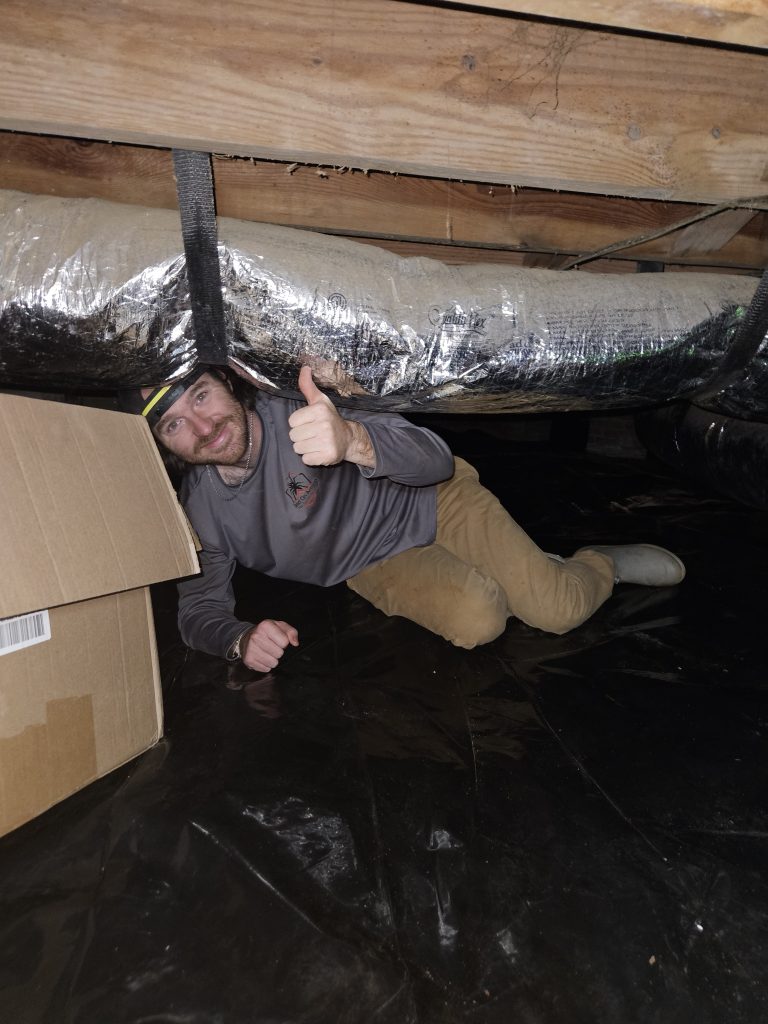
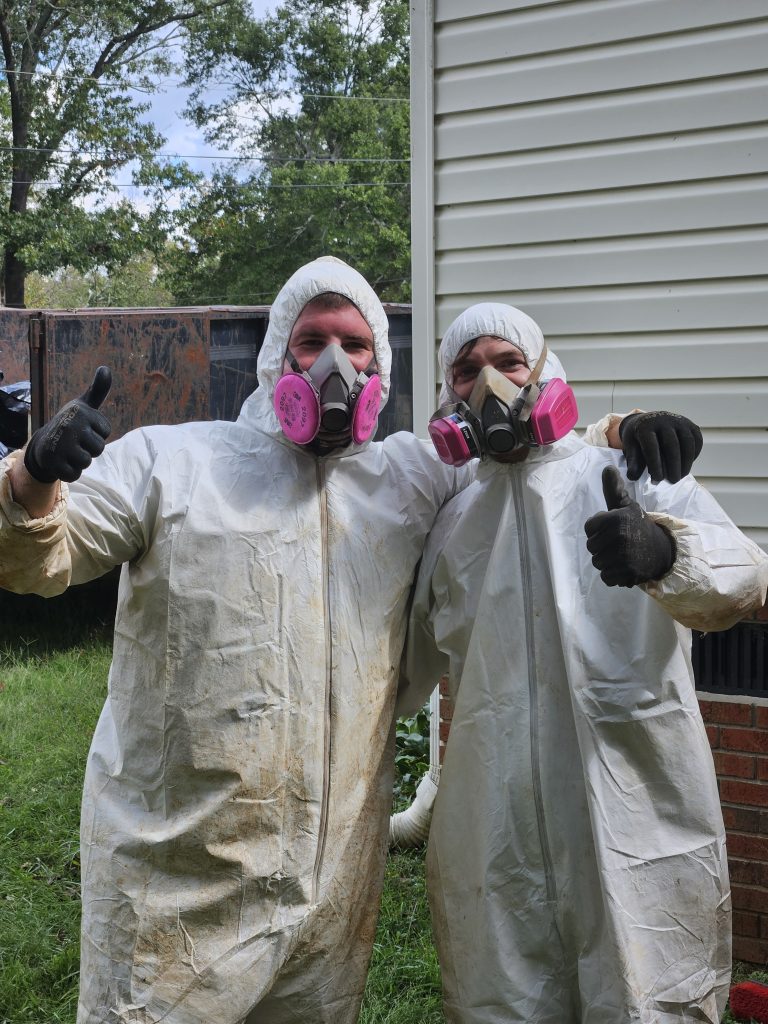
Regular termite inspections by a licensed pest control professional can help catch infestations early. Annual or biannual inspections are recommended, particularly for homeowners in regions prone to termite activity. Regular maintenance, such as sealing entry points, maintaining a dry foundation, and keeping wood away from direct contact with the soil, can also deter termites.
Documenting Damage and Correspondence
In case of an infestation, keep detailed records of any damage and communication with pest control services. This documentation can be invaluable if you need to pursue claims with specialized insurance or even pest control guarantees.
Navigating Homeowners Insurance for Peace of Mind
Despite the typical exclusion of termite damage, homeowners insurance remains an essential safeguard for protecting against other perils. To ensure comprehensive coverage:
Review Your Policy Regularly
Understanding your homeowners insurance policy and its limitations is crucial. If the possibility of termite damage is a concern, consider contacting your provider to discuss your options or exploring additional coverage options.
Consider Additional Coverage Options
Look into specific pest insurance policies if you are in a region with high termite activity. While this might add to your annual expenses, the potential savings in damage repair can be substantial.
Conclusion
While termites are a formidable threat to homes, it’s crucial to understand that homeowners insurance typically doesn’t cover termite damage. By taking proactive steps, such as regular inspections and considering additional termite coverage, homeowners can better protect their properties from these insidious pests. Ignoring the risk posed by termites can lead to significant repair costs, but with proper prevention and potential alternative coverage, these can be mitigated. Ultimately, understanding your insurance options and maintaining your property responsibly ensures peace of mind and financial protection against a variety of hazards.
Meta Title:
Does Homeowners Insurance Cover Termite Damage? | What You Need to Know
Meta Description:
Wondering if homeowners insurance covers termite damage? Learn why it typically doesn’t, exceptions to the rule, and tips for protecting your home with inspections, maintenance, and specialized coverage options.