If you live in South Carolina (especially in areas like Greenville, Taylors, or the surrounding Upstate) you’ve probably noticed one thing: mosquitoes show up fast… and they don’t leave anytime soon.
Thanks to the region’s warm temperatures, humidity, and frequent rain, mosquito season in South Carolina starts earlier and lasts longer than in many other parts of the country.
Understanding when mosquito season begins and how to prepare can make a huge difference in protecting your home, your yard, and your ability to actually enjoy being outside.
When Does Mosquito Season Start in South Carolina?
Mosquito season in South Carolina typically begins in March or April, once temperatures consistently stay above 50°F.
In milder winters, especially in the Upstate, mosquitoes can start appearing even earlier.
What Triggers Mosquito Activity?
Mosquitoes become active when a few key conditions line up:
- Warmer temperatures
- Increased humidity
- Standing water from rainfall
These conditions allow mosquito eggs to hatch quickly and populations to grow fast.tion is vital in minimizing the extent of damage, as termites can quietly feed on a home’s wood structure over several years.
How Timing Varies Across Upstate South Carolina
While mosquito season affects the entire state, timing can vary slightly:
- Greenville & Simpsonville: Early spring activity is common
- Taylors & Greer: Slightly cooler starts, but quick ramp-up
- Travelers Rest: Minor delay due to elevation and cooler temps
Regardless of location, most homeowners in the Upstate start noticing mosquitoes by early spring. control strategy required. Subterranean termites, for instance, are known for causing extensive damage due to their large colony size, while drywood termites may be harder to detect as they don’t require contact with the soil.
When Is Mosquito Season at Its Peak?
Mosquito activity peaks between May and September, which is when most homeowners start getting frustrated.
Why Summer Is the Worst
During the summer months:
- Heat speeds up mosquito reproduction
- Rain creates constant breeding sites
- Humidity helps mosquitoes survive longer
This combination leads to rapid population growth.
If you’ve ever felt like your yard suddenly became unusable overnight… this is why.
Do Mosquitoes Go Away in the Fall?
Mosquito activity typically slows down in October and November, but in South Carolina, they don’t disappear immediately.
Because of the mild climate:
- The first frost is what significantly reduces activity
- Mosquitoes can linger well into fall
- Eggs can survive and hatch later

Where Do Mosquitoes Breed Around Your Home?
One of the biggest challenges with mosquitoes is how easily they reproduce.
They don’t need a pond or a swamp, just a small amount of water.
Common Breeding Areas
Check your property for:
- Low spots where water collects
- Buckets, flower pots, and bird baths
- Clogged gutters and downspouts
- Kiddie pools or unused containers
- Tarps, grills, and outdoor furniture
Why Standing Water Matters
Mosquitoes can lay eggs in as little as a bottle cap of water.
Those eggs can hatch in just a few days meaning small issues quickly turn into big problems.
How Mosquito Season Impacts Your Yard
This is where things shift from “annoying” to “problem.”
During peak mosquito season in South Carolina:
- You get bitten more frequently
- Outdoor spaces become uncomfortable
- Kids and pets are exposed to more bites
- Even daytime use of your yard can be affected
For many homeowners in Greenville and surrounding areas, this is the point where DIY efforts stop being enough.
How to Prepare for Mosquito Season in South Carolina
The key to mosquito control is getting ahead of the problem rather than reacting to it.
1. Eliminate Standing Water
- Empty containers weekly
- Clean gutters regularly
- Fix drainage issues
Consistency is critical.
2. Maintain Your Yard
- Keep grass trimmed
- Cut back overgrowth
- Reduce shaded, damp areas
Mosquitoes rest in cool, shaded areas during the day making your yard a perfect hiding spot if left unmanaged.
3. Use Basic Protection Methods
- Use outdoor fans (mosquitoes are weak fliers)
- Light citronella candles
- Wear long sleeves during dawn and dusk
These help, but they’re temporary solutions.
When Should You Start Mosquito Prevention?
The best time to start is early spring (March or April) before mosquito populations explode.
Why Early Action Matters
Starting early allows you to:
- Reduce breeding before it spreads
- Keep populations lower all season
- Enjoy your yard sooner
Waiting until summer usually means you’re already behind.
When DIY Methods Aren’t Enough
DIY prevention works… to a point.
But in many Upstate South Carolina yards, it’s not enough to fully control the problem.
Signs You Need More Than DIY
- Mosquitoes are active during the day
- You’re getting frequent bites in your yard
- Outdoor spaces are difficult to enjoy
Limitations of DIY Solutions
- Mosquitoes return quickly after rain
- Hard to eliminate all breeding areas
- Short-term effectiveness
Professional Mosquito Control: What to Expect
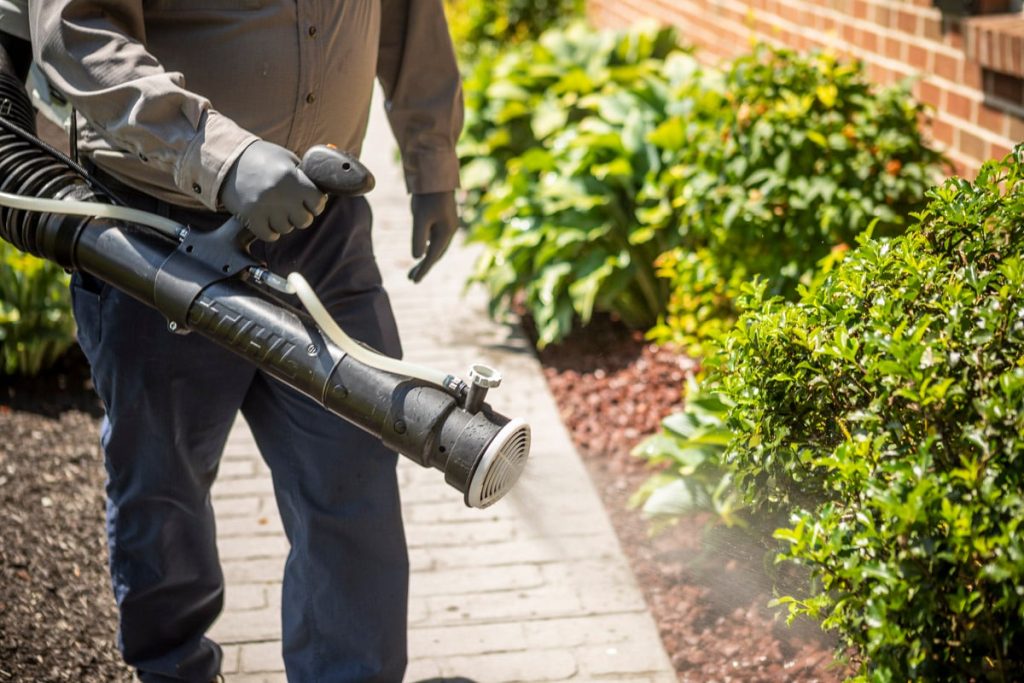
For consistent, long-term results, many homeowners turn to professional mosquito control.
How Professional Treatments Work
Effective mosquito control services typically:
- Target both adult mosquitoes and larvae
- Treat shaded areas where mosquitoes rest
- Break the breeding cycle over time
Benefits of Ongoing Treatment
- More consistent mosquito reduction
- Better outdoor comfort
- Less time spent managing the problem
If you’re dealing with persistent mosquito issues, working with a local provider who understands mosquito behavior in South Carolina can make a significant difference.
Why Local Mosquito Control Matters in South Carolina
Mosquito control isn’t one-size-fits-all.
In areas like Greenville, Taylors, and Greer, factors like:
- Humidity levels
- Tree coverage
- Rain patterns
…all affect how mosquitoes behave.
A local approach means:
- Seasonal patterns are accounted for
- Treatments are timed correctly
- Problem areas are targeted effectively
Moisture Control
Since termites are attracted to moisture, controlling it is crucial. Fix leaky plumbing, ensure proper drainage, and use dehumidifiers in crawl spaces and basements.
Keeping wood away from direct contact with soil and using vapor barriers can further reduce risk. Maintaining proper ventilation in attics and crawl spaces also helps keep these areas dry and less hospitable to termites.
Ready to Take Back Your Yard This Mosquito Season?
Mosquito season in South Carolina can get out of control quickly, especially once temperatures rise and breeding conditions peak.
If you’re already noticing increased activity or want to stay ahead of the problem, starting early makes all the difference.
Professional mosquito control treatments are designed to reduce populations, target breeding areas, and help you enjoy your outdoor space again without constant bites.