
How do You Tell if You Have a Termite Infestation?
Termites are silent destroyers that can wreak havoc on your home or property long before you realize there’s a problem. Detecting a termite infestation early can save you thousands of dollars in repairs and extensive damage. But how exactly do you identify a termite infestation? This guide will provide you with all the necessary insights and indicators to help you protect your investment.
Understanding Termite Infestation
Termite Behavior and Biology
Termites are small, soft-bodied insects that feed on cellulose in wood and other plant materials. They thrive in warm, moist environments and can be found in almost every state across the U.S. With over 2,000 different species worldwide, the most common culprits in the United States are subterranean, drywood, and dampwood termites.
How Termites Enter Your Home
Termites are masters at infiltrating a structure without being noticed. They often enter homes through wood-to-ground contact, cracks in the foundation, or even through mud tubes. Once inside, they can cause extensive damage, compromising the structural integrity of your home.
Key Signs of a Termite Infestation
Mud Tubes
One of the most unmistakable signs of a termite infestation is the presence of mud tubes. These are small, tunnel-like structures built by subterranean termites to protect themselves while traveling between their nest and food source. You can typically find these tubes on foundations, walls, or crawl spaces.
Visible Damage to Wood
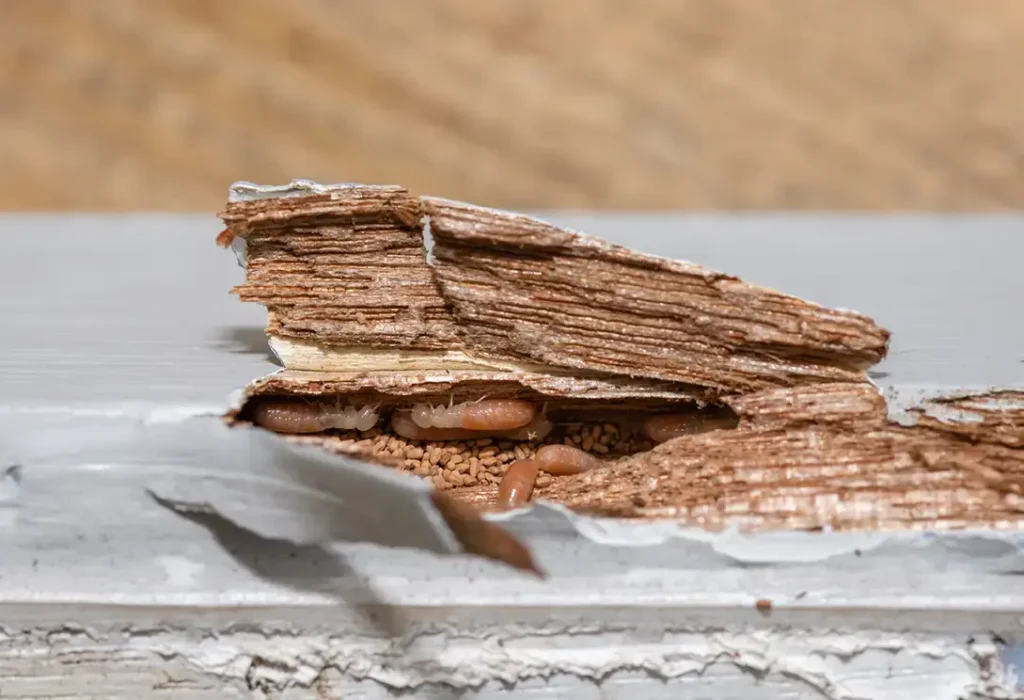
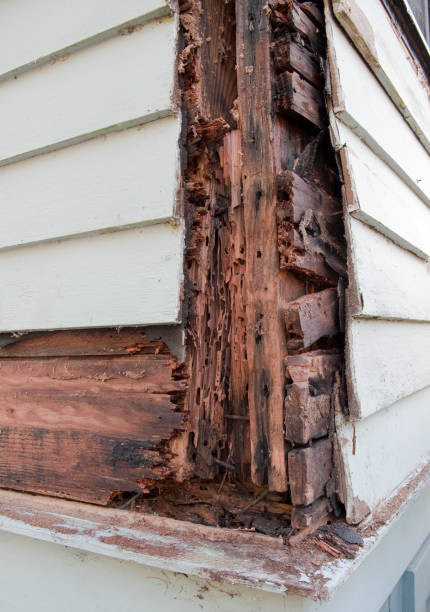
Termites consume wood from the inside, often leaving behind a honeycomb-like pattern. Tapping on wood surfaces may produce a hollow sound if infested. Pay close attention to windowsills, door frames, and baseboards.
Discarded Wings
Termites swarm during specific times of the year to mate and establish new colonies. After swarming, they shed their wings. Finding piles of discarded wings is a clear indication of a termite presence.
Frass
Drywood termites leave behind tiny wood-colored droppings known as frass. These pellets can often gather in small piles near infested areas. If you notice what looks like small piles of sawdust, take action immediately.
Wall and Ceiling Damage
Termite infestations often coexist with telltale signs like discolored or drooping drywall, pinpoint holes in the surface, or buckling wood. These changes in your home’s internal structure are often indicators of a larger infestation.
Methods for Detecting Termite Infestation
Professional Inspection
Hiring professionals for termite inspections should be part of your annual home maintenance plan. Certified inspectors use specialized tools like moisture meters and termite radars to detect termites that are hidden from view.
D-I-Y Indicators
While professional inspection is highly recommended, you can perform quick checks as preliminary steps. Use a flashlight to inspect dark, rarely disturbed areas of your home, such as basements and attics. The presence of mud tubes, frass, or hollow-sounding wood are immediate red flags you shouldn’t ignore.
Technology-Assisted Detection
Innovations in home inspection technology, such as thermal imaging and acoustic emission detectors, have made it easier to check for termite activity without structural damage. These technologies help in accurately identifying infestation areas and severity.
Prevention and Early Intervention
Reduce Moisture
Termites thrive in damp environments, so ensure your gutters are clear, your pipes are leak-free, and your home has adequate ventilation. Dehumidifiers can help maintain an optimal moisture level in your home.
Remove Attractants
Discard any unnecessary wood, cardboard, and plant materials near the foundation. Trim trees and shrubs, and ensure mulch is at least 15 inches away from the building to eliminate potential entry points.
Regular Inspections
Consistent inspections can help you catch termite activity before it becomes a full-blown infestation. Schedule annual inspections, especially if you live in a termite-prone area.
Conclusion
Termite infestations are a serious concern for homeowners. By understanding termite behavior, recognizing the signs of an infestation, and taking preventive measures, you can safeguard your home from these destructive pests. Regular inspections and immediate action at the first hint of a termite presence can’t be stressed enough. Remember, the earlier you detect an issue, the easier and less costly it will be to resolve. Always consider professional advice to ensure your home remains termite-free.