
Termites are often unseen yet incredibly destructive pests that can wreak havoc on the structural integrity of a home. These tiny creatures may not look like much, but a termite infestation can present homeowners with a significant challenge. The question many ask when faced with this issue is: “Can a termite-infested house be saved?” This blog post explores various conditions, steps, and preventive measures related to handling termite infestations, helping homeowners make informed decisions about saving their homes.
Understanding Termite Infestation
Termite infestations are more common than you might think. In the United States alone, termites cause billions of dollars in property damage each year. Recognizing the signs of infestation early can lead to more cost-effective solutions and less severe structural damage. These silent destroyers can feast on wood, paper, and even drywall, often without being noticed for years.
Signs of Termite Infestation
To effectively save a home from termites, it’s crucial to first identify the presence of these pests. Key signs of a termite infestation might include:
- Mud tubes: Subterranean termites construct mud tubes to protect themselves while traveling between their colony and the food source.
- Hollow wood: Termites consume wood from the inside out, resulting in a hollow sound when tapped.
- Discarded wings: Swarming termites shed their wings, often found near windows or entry points.
Other indicators can include tight-fitting doors and windows (due to warped wood), bubbling paint that resembles water damage, or small piles of termite droppings known as frass. Early detection is vital in minimizing the extent of damage, as termites can quietly feed on a home’s wood structure over several years.
Types of Termites
Understanding the type of termite causing the infestation is also important. The three main types include:
- Subterranean Termites: The most common type in the U.S., they build colonies in the soil.
- Drywood Termites: Found in wooden structures, furniture, and hardwood floors.
- Dampwood Termites: Prefer moist wood, commonly found in humid climates.
Each type of termite behaves differently, which impacts the control strategy required. Subterranean termites, for instance, are known for causing extensive damage due to their large colony size, while drywood termites may be harder to detect as they don’t require contact with the soil.
Evaluating the Damage
Once an infestation is confirmed, the extent of the damage should be evaluated. Home inspectors or pest control professionals can offer insights and recommend solutions. A thorough assessment can determine whether the home can be saved with repairs or requires more extensive structural rebuilding.
Professional Inspection
Professional inspectors utilize tools such as moisture meters and infrared cameras to detect termite activity behind walls. They assess the severity and location of infestations, essential in guiding repair and treatment strategies. A professional’s trained eye can catch the more subtle signs that homeowners might overlook, ensuring nothing is missed during evaluation.
Assessing Structural Integrity
It’s crucial to determine whether the damage is superficial or structural. Structural damage often involves beams, supports, or joists and can compromise the safety of the home. Superficial damage, like soft floors or discolored walls, is less critical but still requires attention.
If foundational elements are affected, the home could face significant safety risks. In such cases, repairs must be prioritized quickly to prevent collapse or further degradation. Structural engineers may be called in to work alongside pest control experts for a complete restoration plan.

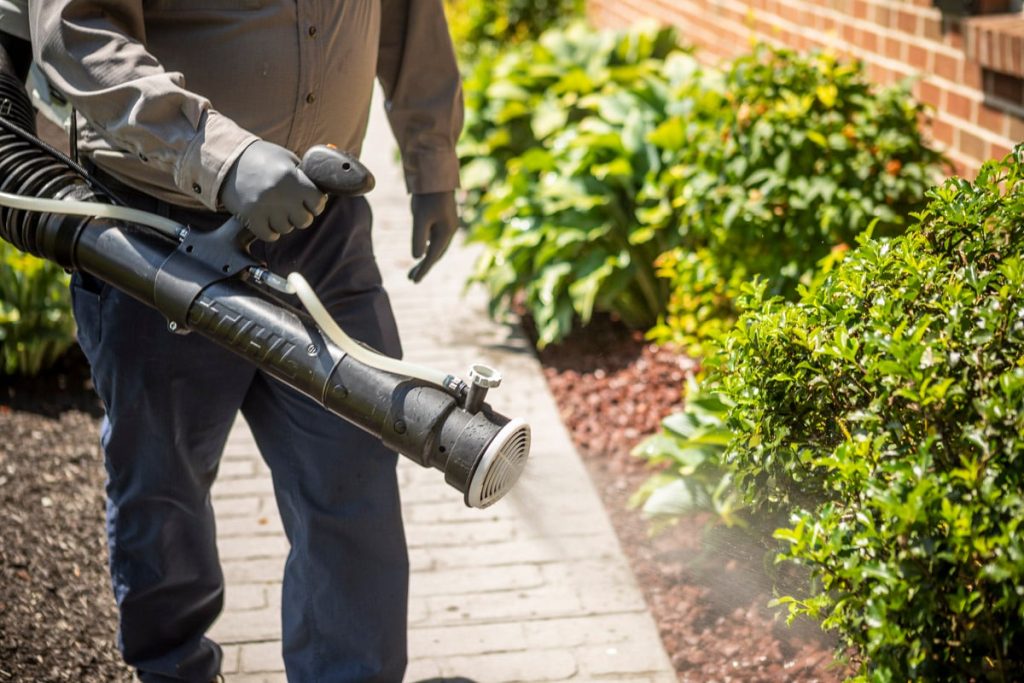
Treatment Options for Termite Infestation
Eradicating a termite infestation involves several treatment strategies, which should be chosen based on infestation size, type of termite, and the damage’s severity. Acting quickly can make a significant difference in the outcome and cost of repairs.
Chemical Treatments
Utilizing termiticides is one common method. These chemicals are applied to soil or wood and can eliminate existing colonies and prevent future infestations. Licensed professionals should apply termiticides to ensure safety and effectiveness.
Modern termiticides have long-lasting effects and are designed to form protective barriers around a home. Some formulas are non-repellent, allowing termites to unknowingly transfer the toxin to their colony, increasing the chances of total eradication.
Bait Systems
Bait systems are another effective approach, particularly for subterranean termites. These systems attract termites to a bait instead of wood, gradually eliminating the colony when termites share the bait within their colony.
Baiting is a less intrusive option and ideal for ongoing monitoring. Professional pest control companies often incorporate bait stations into a long-term integrated pest management plan to reduce the risk of re-infestation.
Natural Treatments
Some homeowners prefer natural treatments due to environmental concerns. Methods include:
- Orange Oil: Effective against drywood termites when absorbed into wood.
- Boric Acid: Works as a poison when termites consume it while digesting cellulose from treated wood.
While natural treatments may be less potent, they offer a safer alternative for households with pets or small children. However, their effectiveness can be limited and often require repeated applications.
Repairing Termite Damage
Once termites are exterminated, repairing the damage is the next crucial step. This phase can vary greatly depending on how extensively termites have compromised the home’s structural integrity. The restoration process may involve everything from minor cosmetic fixes to major structural overhauls.
DIY Repair Tips
For minor cosmetic repairs, homeowners might consider DIY options:
- Wood Replacement: Replace affected sections of wood.
- Wood Hardeners: Strengthen less damaged wood.
Always wear protective gear to ensure safety. DIY repairs are cost-effective but require attention to detail to ensure all damaged wood is thoroughly removed or treated to prevent recurrence. Sealing the area afterward can also help deter future infestations.
Professional Repair Services
Severe damage requires professional intervention. Structural repairs involving load-bearing walls or foundational supports should never be attempted by amateurs. Professional contractors can ensure that repairs meet building code standards.
Hiring professionals also helps homeowners gain peace of mind that the repairs are long-lasting and safe. Contractors experienced with termite damage can also recommend materials and techniques that reduce future termite risk.
Preventive Measures Against Termite Infestation
Once a house is saved, preventing future infestations is essential. Implementing preventive measures will safeguard against termites in the long term. Vigilance and routine maintenance play a huge role in keeping termites at bay.
Regular Inspections
Regular home inspections by professionals help detect early signs of infestations. Annual check-ups are advised, especially in termite-prone areas. Some pest control companies offer annual plans that include both inspection and treatment options.
Routine inspections can catch early signs that might otherwise go unnoticed. Early intervention not only reduces repair costs but also ensures that termite populations don’t have a chance to grow.
Moisture Control
Since termites are attracted to moisture, controlling it is crucial. Fix leaky plumbing, ensure proper drainage, and use dehumidifiers in crawl spaces and basements.
Keeping wood away from direct contact with soil and using vapor barriers can further reduce risk. Maintaining proper ventilation in attics and crawl spaces also helps keep these areas dry and less hospitable to termites.
Sealing Entry Points
Seal any foundation cracks, gaps, or crevices to prevent termite entry. Properly stored firewood and mulch should be kept away from the home’s foundation to discourage termite nesting.
Caulking gaps around utility lines and ensuring that exterior wood is painted or sealed helps further protect vulnerable areas. Simple preventative efforts can make a big difference in keeping your home termite-free.
Chemical Barriers
Consider investing in soil-applied or barrier treatments that deter termites. Professionals should apply these barriers to maximize effectiveness and minimize health risks.
These chemical barriers provide long-term protection when properly maintained and are often used in conjunction with other strategies such as baiting systems. They create a first line of defense against new infestations.
Conclusion
Discovering a termite infestation in your house is disheartening, but it isn’t cause for despair. With prompt and informed action, a termite-infested house can be saved. Armed with knowledge about detection, treatment, repair, and prevention, homeowners can protect and restore their properties to their former glory.
Consistent vigilance and professional guidance are key to preserving your home from future infestations. By staying proactive and informed, homeowners can enjoy peace of mind and safeguard their investment for years to come.